How to Know When It's Time to Update Your Kitchen Cabinetry
A kitchen can remain functional for many years, but that does not mean its cabinetry will continue meeting a household's needs indefinitely. Changes in storage habits, household routines, design preferences, and the condition of existing cabinets can all indicate that an update is worth considering. According to This Old House, the median age of American homes has now surpassed 40 years, which means many kitchens may need functional improvements as older spaces encounter changing demands. At the same time, remote work has made thoughtfully designed home spaces increasingly important, giving homeowners another reason to evaluate whether their kitchens still work effectively.
Recognizing Outdated Storage Needs
Storage requirements can change considerably over the life of a household. A kitchen that once provided sufficient room may become difficult to organize as families grow, cooking habits change, or additional appliances and household items accumulate. Cabinets that lack appropriate storage configurations can leave countertops crowded and make frequently used items harder to access. These challenges may indicate that the existing layout is no longer aligned with the way the kitchen is being used.
Modern kitchen cabinetry can be designed around the specific storage requirements of a household rather than relying solely on the configurations found in an older kitchen. Updated cabinets can provide opportunities to improve organization while making better use of available space. This can be particularly valuable in kitchens where awkward cabinet dimensions or limited storage have become persistent concerns. Evaluating storage needs is therefore an important first step when determining whether an update would improve the overall functionality of the room.
Identifying Visible Signs of Wear
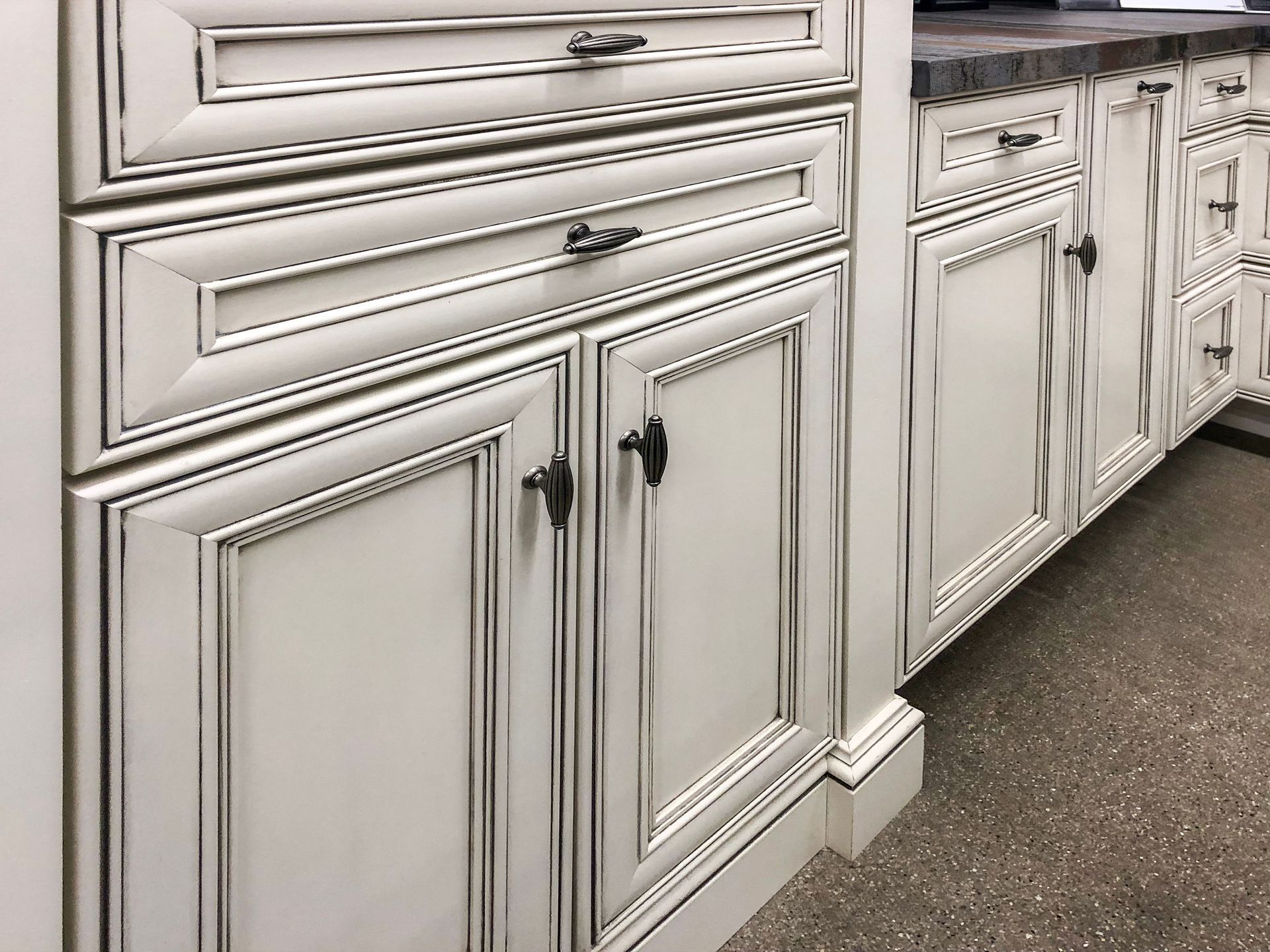
Cabinet surfaces naturally experience considerable use over time. Doors and drawer fronts may develop scratches, fading, discoloration, or other visible signs of wear after years of regular opening, closing, cleaning, and daily activity. Hardware can also begin to look dated or no longer complement the rest of the kitchen. When these issues become widespread, the condition of the cabinetry can affect the overall appearance of the space.
Visible deterioration may also extend beyond cosmetic concerns. Warped doors, damaged components, sticking drawers, and deteriorating finishes can make cabinets increasingly inconvenient to use. When multiple portions of a cabinet system show signs of age, addressing individual problems may no longer provide the cohesive improvement the kitchen requires. A professional evaluation can help determine whether the existing cabinets can continue serving the space effectively or whether a broader update makes more sense.
Evaluating Kitchen Functionality
A kitchen should support the activities that regularly take place within it. If cabinet placement makes frequently used areas difficult to access or creates unnecessary movement between preparation and storage spaces, the room may feel less efficient than it could be. Older layouts may have been designed around different household routines than those followed today. An update can provide an opportunity to reconsider how storage and work areas interact throughout the kitchen.
Kitchen cabinetry plays an important role in determining how efficiently the room functions. Cabinet dimensions, placement, and storage configurations all influence how homeowners interact with the space throughout the day. When existing cabinetry consistently creates obstacles or fails to accommodate important kitchen activities, it may be time to consider a more functional arrangement. Addressing these concerns can help the kitchen better support both everyday routines and occasional activities that require additional space.
Addressing Changing Household Routines
Household routines can evolve without the physical kitchen changing along with them. Families may begin preparing different types of meals, entertaining more frequently, working from home, or using the kitchen for activities beyond cooking. These changes can expose limitations in storage, counter space, and overall organization that were less noticeable in the past. When the way a household uses the kitchen changes substantially, cabinetry may need to adapt as well.
The growing role of the home as a place for multiple activities makes functional kitchen design increasingly relevant. Remote work, for example, can change how people move through and use shared areas during the day. A kitchen that serves as a gathering area, workspace, or central household hub may need storage and organization that support more than meal preparation. Updating cabinetry can help address these evolving expectations while creating a more cohesive environment.
Improving Overall Kitchen Appearance
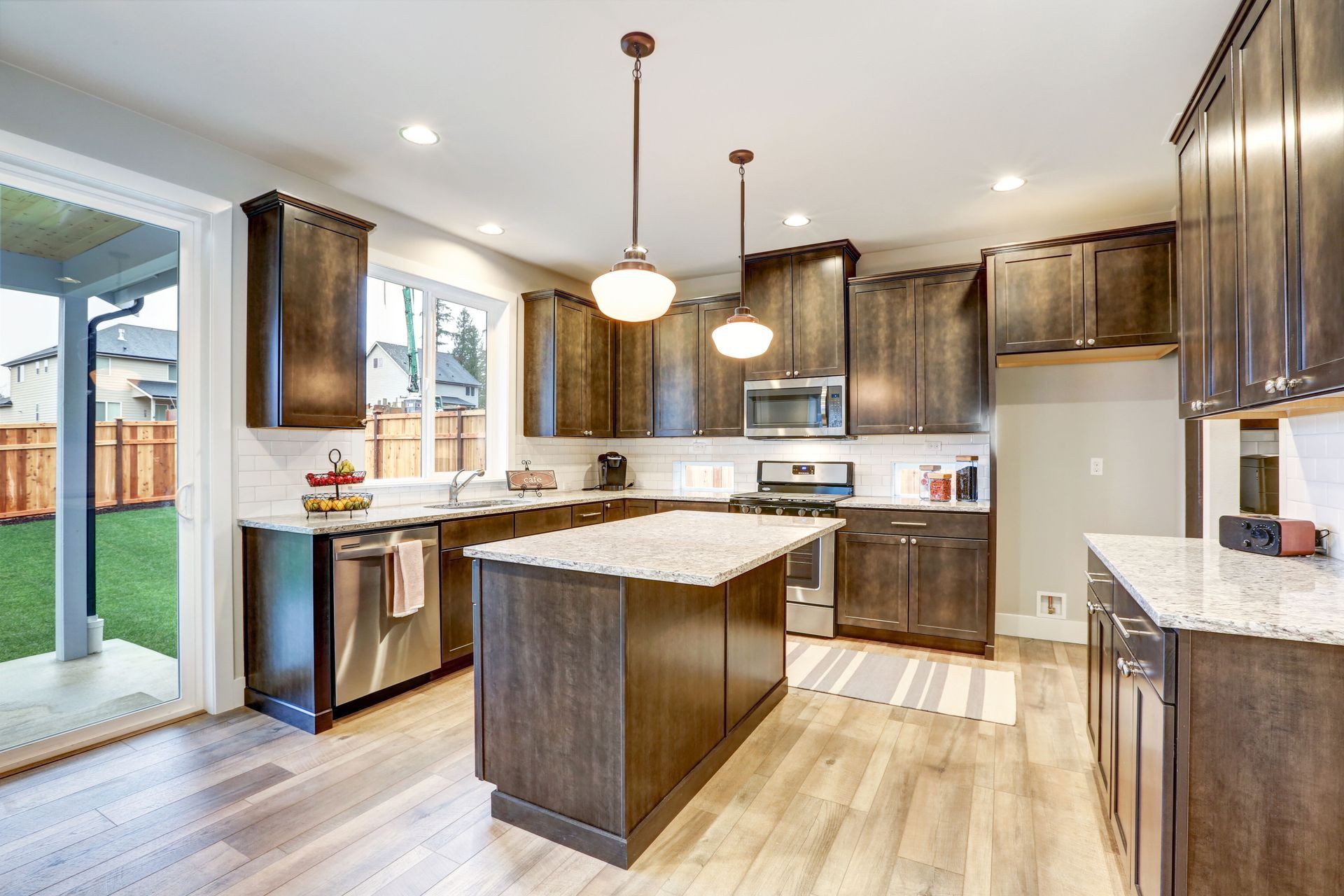
Cabinetry often occupies a significant portion of a kitchen's visual space. As a result, outdated colors, finishes, profiles, or hardware can make the entire room feel older even when other features remain in good condition. A kitchen may have functional appliances and attractive surfaces but still appear dated because its cabinets no longer coordinate with the overall design. When cabinetry has become the dominant outdated element, updating it can have a noticeable effect on the room's appearance.
Design preferences also tend to change over time. A style that suited a kitchen several decades ago may no longer reflect the homeowner's current preferences or the character of the surrounding home. Updating kitchen cabinetry can create a more cohesive visual relationship between cabinets, countertops, flooring, lighting, and other design elements. The goal is not simply to follow trends but to create a kitchen appearance that remains appropriate for the home's architecture and the household's preferences.
Considering Space Utilization
Older kitchens may contain areas that are not being used as effectively as possible. Oversized cabinet components, awkward corners, narrow storage sections, or poorly arranged shelving can limit the practical value of available space. These issues can become particularly frustrating when the kitchen has adequate overall square footage but still feels crowded or difficult to organize. A cabinetry update can provide an opportunity to reconsider how the available area is being used.
Professional cabinet planning can take the dimensions and characteristics of a kitchen into account when developing an updated configuration. Instead of simply replacing old cabinet fronts, a more comprehensive approach can address how individual storage areas work together. Better use of available space can help create a kitchen that feels more organized without necessarily requiring an expansion of the room. This makes space utilization an important consideration when evaluating whether existing cabinetry continues to meet household needs.
Responding to Maintenance Concerns
Frequent maintenance issues can be another indication that cabinetry has reached a point where updating it deserves consideration. Repeatedly sticking drawers, loose components, damaged finishes, or deteriorating surfaces can make routine kitchen use increasingly frustrating. While an isolated issue may be manageable, numerous recurring problems can suggest that the cabinet system as a whole is aging. A professional assessment can help determine the extent of those concerns and identify appropriate options for the space.
Kitchen cabinetry should provide reliable functionality as part of the kitchen's everyday environment. When cabinets repeatedly interfere with normal use, their condition can affect more than appearance. Persistent maintenance concerns may also make the kitchen feel less organized and less comfortable to use. Evaluating the overall condition of the cabinets can help homeowners determine whether continued repairs are practical or whether an update would better address the accumulated issues.
If your kitchen has become difficult to organize, increasingly worn, or poorly suited to your current routine, it may be time to reconsider the cabinetry at the center of the space. Select Cabinetree can help you evaluate your kitchen's needs and plan an update that combines practical storage with an appealing overall design. Our team is ready to help you move from an outdated or inefficient cabinet arrangement toward a kitchen that better accommodates the way your household uses the room. Contact Select Cabinetree to discuss your
kitchen cabinetry needs and begin planning a more functional, coordinated space.
Share On: